Dushi Curaçao, more than just sun, sea and nightlife
Curaçao is the middle island of the so-called ABC islands and, with a surface area of 444 km², also the largest of the three. In addition, Curaçao has the largest population, with around 160,000 residents, more than Aruba and Bonaire combined.
Curaçao has long been a popular destination among travelers, and this is still clearly visible today. Each year, tens of thousands of tourists visit the island. This comes as no surprise, as Curaçao offers the perfect mix of sun, sea and beaches, combined with trendy beach clubs, vibrant nightlife, and a diverse culinary scene. Beyond the white sandy beaches and crystal-clear waters, the island reveals a rich history, a unique cultural blend, and a surprisingly diverse landscape.
This cultural diversity can be seen throughout the island. Curaçao is home to more than 100 nationalities, with influences from Afro-Caribbean, European, and Latin American cultures. This is also reflected in the local cuisine, where different flavors come together. Typical dishes include pastechi, fried pastries, and stoba, a hearty stew made with meat, fish, or vegetables.
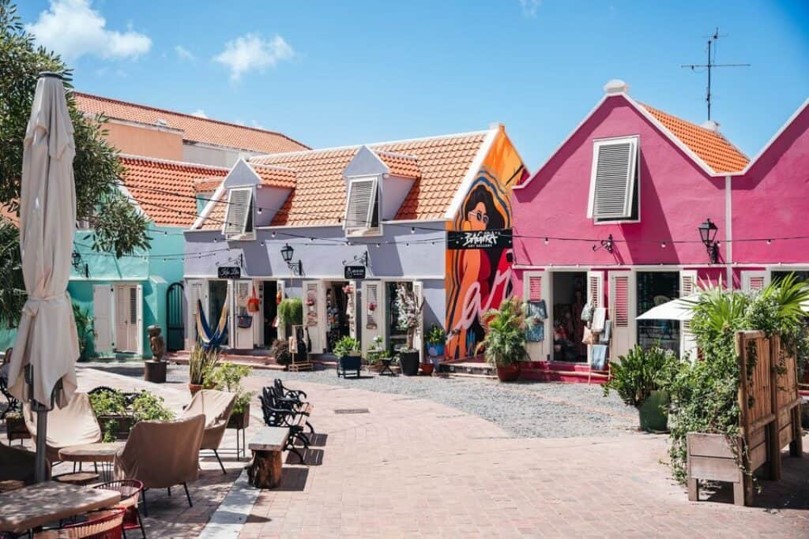
Most residents live in Willemstad, the colorful capital and a UNESCO World Heritage Site. The city is the vibrant heart of Curaçao and an absolute must-see. Willemstad consists of two districts, Punda and Otrobanda, each with its own distinct character. Punda is the more tourist-oriented area, known for its iconic colorful buildings along the Handelskade and its wide range of shops and restaurants. Otrobanda has a more raw and creative feel, with art galleries and a lively street art scene. The two districts are separated by the St. Anna Bay and connected by the famous floating pontoon bridge.
In Otrobanda, you will also find the Kura Hulanda Museum, the island’s leading museum dedicated to the history of slavery. In the 17th and 18th centuries, Curaçao was an important trading hub for the Dutch West India Company, where enslaved Africans were traded and transported to other colonies. Some remained on the island, where they were forced to work under harsh conditions on plantations. This history is still visible today, reflected in the historic plantation houses, local traditions, and culture.
Curaçao also offers plenty for nature lovers. Christoffel National Park is the island’s largest national park and features a wide variety of flora and fauna. It is also home to Mount Christoffel, the highest point on the island at 372 meters. The climb to the top is rewarded with breathtaking panoramic views.
When it comes to beaches, Curaçao offers great variety. You will find lively hotspots such as Mambo Beach and Jan Thiel, with plenty of facilities and beach clubs, as well as more secluded bays on the western side of the island, such as Grote Knip and Kleine Knip. Renting a car is recommended to explore these beaches. Divers and snorkelers will also find plenty to enjoy. With more than 40 official dive sites and coral reefs located close to shore, you can often enter the water directly from the beach. The clear waters and a constant temperature of 27 to 28 degrees Celsius make Curaçao an excellent year-round destination for diving and snorkeling.
Good to know:
When traveling to Curaçao, it is mandatory to complete a digital ED card (immigration card). To apply for the ED-card, please visit https://dicardcuracao.com/dicard In addition, a valid passport is required; a national ID card is not sufficient. For the most up-to-date travel information, please visit https://www.curacao.com/nl/article/travel-updates.