Bonaire, more than just a Diver’s Paradise!
Dushi Bonaire. The island is known for its exceptional snorkeling and diving, and it’s no surprise that it has earned the nickname Diver’s Paradise. However, Bonaire has much more to offer than just its underwater world. Enjoy the tranquility, unspoiled nature, and relaxed atmosphere during your stay on this unique island.
The difference between Bonaire and its neighboring islands, Aruba and Curaçao, is significant. While Aruba and Curaçao are known for their large boulevards, resorts, and rows of sunbeds lining the beaches, Bonaire offers a completely different experience. Here, you will find tourism and nature in their purest form. This is largely due to the way the island’s government protects its natural environment and coastline. Nature is not allowed to suffer from tourism. In fact, Bonaire’s entire coastline has been designated as a protected nature reserve since 1979. As a result, building permits for homes and accommodations are limited in many areas, preserving the island’s unspoiled character.
Bonaire is a special municipality within the Kingdom of the Netherlands, rather than an autonomous country like Aruba and Curaçao. The island covers just over 300 km², making it larger than Aruba but smaller than Curaçao. However, with only around 26,000 residents, Bonaire has a distinctly small-scale and relaxed feel. For comparison, Aruba has over 100,000 residents and Curaçao around 158,000. Most of Bonaire’s residents live in Kralendijk, the colorful capital. The town is characterized by low-rise buildings and offers a charming mix of restaurants, shops, and cafés, all contributing to its friendly and laid-back atmosphere.
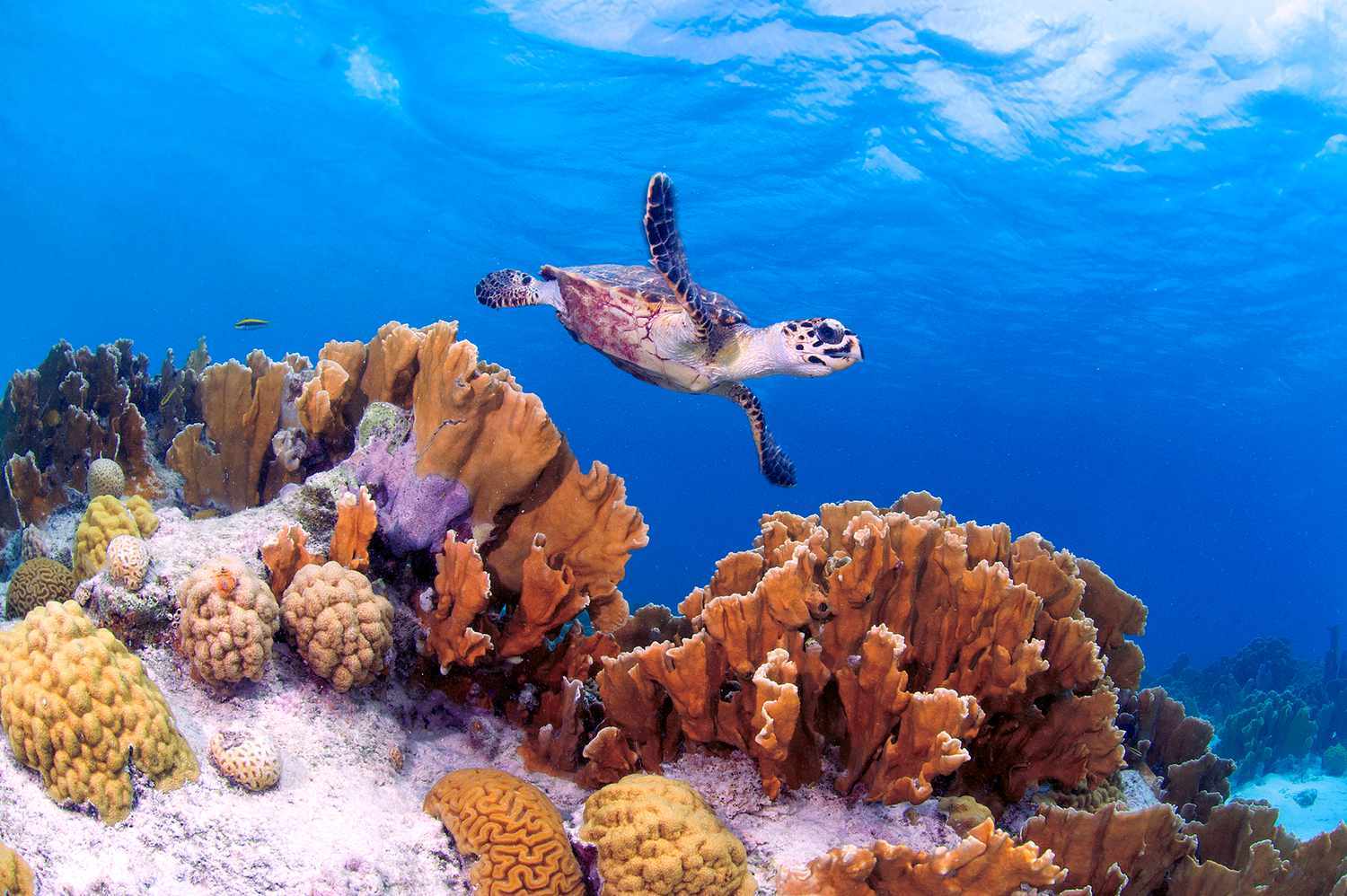
A large part of Bonaire is covered by Washington Slagbaai National Park, located in the rugged northern part of the island. With its impressive rock formations, salt flats, and limestone caves, it is a true paradise for nature lovers. In the south, you will find Pekelmeer, one of the few places in the world where flamingos breed. Thousands of flamingos live here in their natural habitat. The mangrove forests are also highly recommended. Exploring them by kayak offers a unique opportunity to experience these ecosystems up close. A visit to Klein Bonaire is another must. This uninhabited island lies about eight kilometers off the coast and is home to No Name Beach, one of the most beautiful beaches in the region. Here, you can also enjoy stunning underwater scenery and, with a bit of luck, spot a sea turtle.
Divers on Bonaire are truly spoiled for choice. With around 80 marked dive sites along the coast, you can often enter the water directly from the shore and find yourself immediately surrounded by coral reefs and tropical fish. It’s no wonder Bonaire is known as the “shore diving capital of the world.” With a stable water temperature of 27 to 28 degrees Celsius and visibility ranging from 20 to 30 meters, Bonaire is an excellent year-round diving destination.
Good to know:
Before traveling to Bonaire, all visitors are required to pay the Visitor Entry Tax. This fee is 75 USD and is separate from the cost of your flight and accommodation. Children under 12 pay a reduced rate. The tax is charged per stay, not per night. In addition, a mandatory Nature Fee of 40 USD applies to anyone wishing to access Bonaire’s natural parks and marine environment. This also applies if you simply enter the sea. Children under 12 are exempt. Finally, a valid passport is required for travel to Bonaire; a national ID card is not sufficient.For the most recent travel information, please visit https://bonaire.com/nl/reisinformatie/